Directives Governing Promotional Offers in Application-Based Real-Time Wagering for UK Athletic Events
Dana Vogel · Oct 3, 2026
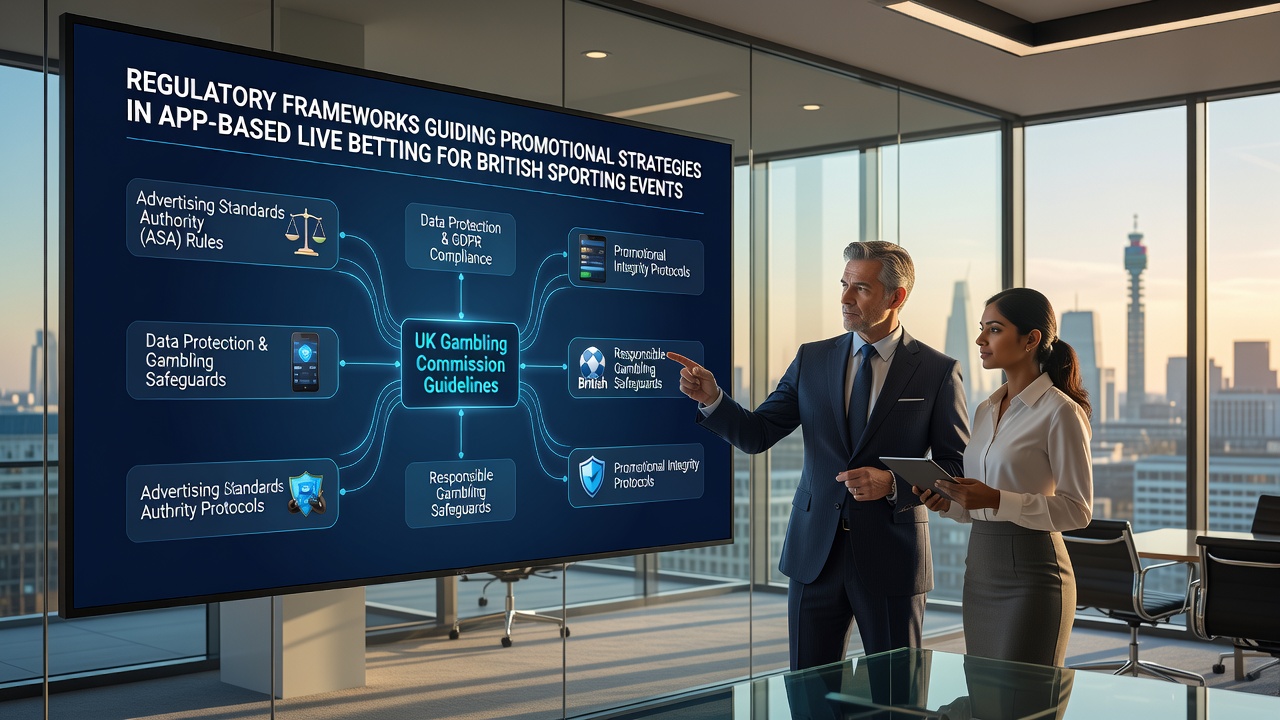
Directives Governing Promotional Offers in Application-Based Real-Time Wagering for UK Athletic Events
Regulatory structures in Britain direct how operators design and deliver incentives within mobile applications that support live betting on sporting events, and these rules focus on transparency, consumer protection, and fair play across football, horse racing, and other popular activities. Operators must align bonus structures with requirements that limit aggressive targeting while ensuring all promotional terms appear clearly within the app interface before users place wagers during matches or races.
Core Legislative Foundations
British law establishes baseline expectations for promotional content in digital gambling environments, and these expectations require that every offer tied to live events must state eligibility criteria, wagering requirements, and expiration details without ambiguity. Data from industry reports shows that platforms updated their interfaces in 2025 to display real-time bonus balances during ongoing matches, a change that followed guidance from oversight bodies emphasizing clarity in dynamic betting scenarios. Observers note that such adjustments reduce disputes because users receive immediate information about how a live bet influences their promotional progress.
Application in Football and Racing Markets
Football matches and horse races generate the highest volume of in-play bets through mobile apps, so regulators examine promotional campaigns linked to these events with particular attention to timing and targeting. Promotions that activate during half-time intervals or between race starts must avoid encouraging excessive staking, and operators achieve compliance by capping bonus values relative to a user's recent activity levels. Research indicates that these caps, when applied consistently, correlate with steadier user engagement patterns rather than sharp spikes followed by rapid declines.
One case study from a major platform revealed that restructuring live-race bonuses to include mandatory cooling periods between claims led to a measurable drop in complaint volumes filed through customer service channels. Those who studied the implementation reported that the change aligned promotional pacing with the natural rhythm of events, allowing bettors to review terms without pressure from countdown timers embedded in the app.
Technical Compliance Mechanisms
App developers integrate automated checks that verify promotional eligibility against user location, age verification status, and account history before any live bet qualifies for a bonus, and these systems operate in the background to prevent inadvertent violations. Figures reveal that platforms conducting monthly audits of these automated gates identified fewer than two percent of promotions requiring manual correction during the first half of 2026. What's interesting is how such technical safeguards extend to October 2026, when updated interoperability standards are scheduled to take effect across multiple device operating systems.
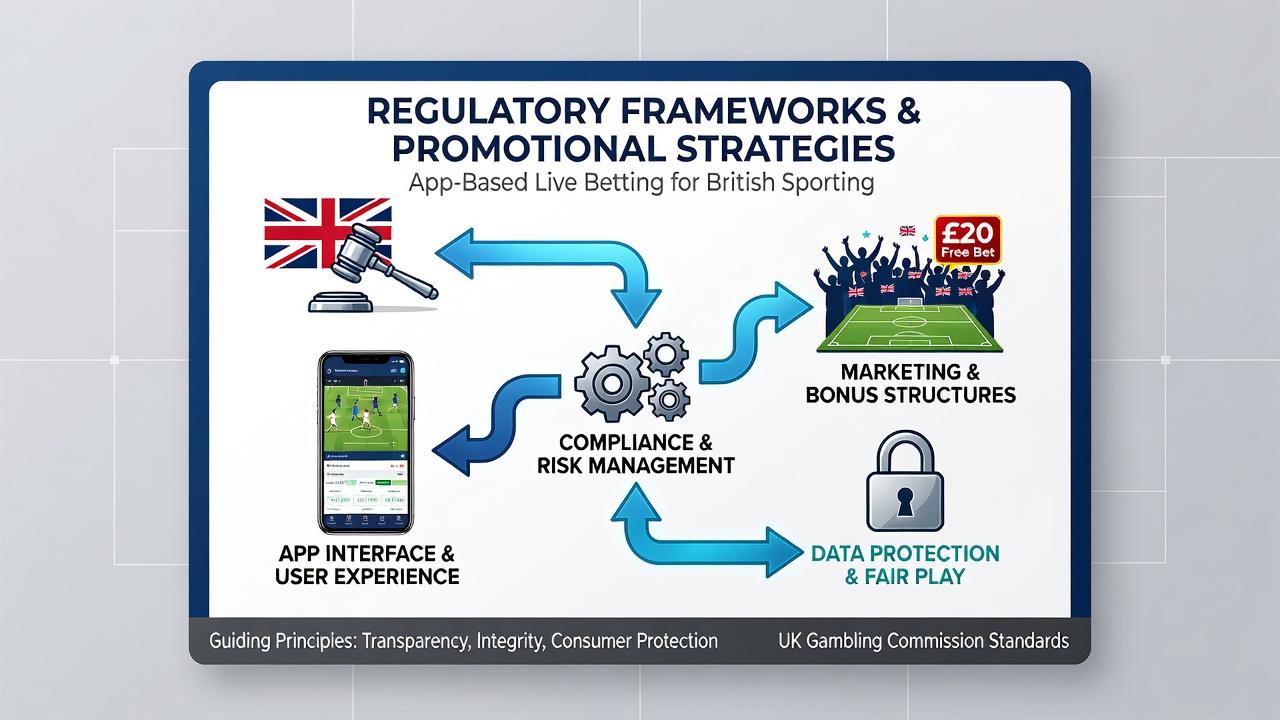
Operators also maintain detailed logs of every promotional push notification sent during live events, and regulators review these records to confirm that messages do not overstate potential returns or obscure risk information. External audits conducted by independent testing laboratories help verify that the notification systems function as described in submitted compliance documentation.
Cross-Border and Industry Comparisons
While British frameworks emphasize consumer safeguards within app ecosystems, similar approaches appear in other jurisdictions that regulate mobile betting. A report from the Responsible Gambling Council in Canada highlights parallel requirements for real-time disclosure of bonus conditions during in-play wagering sessions. Observers note that operators active in multiple markets often adopt the stricter standard across all regions to simplify global app development cycles.
Another reference point comes from Australian gambling research publications, which document how promotional limits tied to live events influenced user behavior across different sports. Those findings suggest that clear, accessible terms presented at the moment of bet placement produce higher retention rates compared with offers that require users to navigate separate menu sections.
Future Adjustments and Implementation Timelines
Scheduled reviews of promotional rules continue through late 2026, with particular focus on how artificial intelligence tools might assist in monitoring live betting promotions for compliance. Platforms that tested early versions of these monitoring systems reported faster identification of potential issues, such as bonus offers that inadvertently targeted users showing signs of extended play sessions. Data shows that integration of these tools remains optional at present, yet several operators have begun voluntary adoption ahead of any formal mandate.
Conclusion
Regulatory frameworks continue to shape the design and delivery of promotional strategies within app-based live betting environments for British sporting events through requirements for transparency, technical safeguards, and periodic audits. Operators respond by embedding compliance features directly into mobile interfaces, while external research from multiple regions informs ongoing refinements. As October 2026 approaches, these structures are expected to incorporate additional standards that further align promotional timing with event pacing and user protection priorities.